13119157289@163.com
13119157289
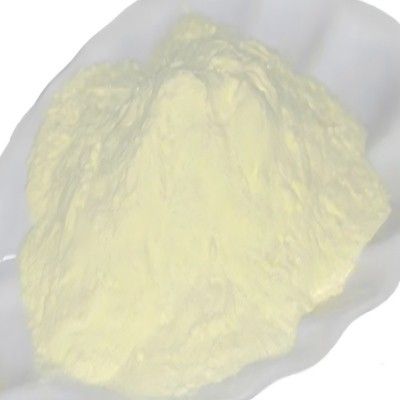
Apigenin (CAS: 520-36-5), also known as 4',5,7-Trihydroxyflavone, has the chemical formula C₁₅H₁₀O₆ and a molecular weight of 270.25. It is a naturally occurring flavonoid compound, widely distributed in fruits, vegetables and medicinal plants such as celery, chamomile and rosemary, and is also one of the main active components of Apium graveolens L. (parsley) of the Umbelliferae family. It appears as yellow acicular crystals or pale yellow powder, odorless and tasteless, almost insoluble in water, easily soluble in hot ethanol, dimethyl sulfoxide (DMSO) and other solvents, with a melting point of 345~350℃, and needs to be stored in a sealed, light-proof and low-temperature dry environment. Apigenin is characterized by low toxicity and non-mutagenicity, with core functions including antioxidation, anti-inflammation, anti-tumor, vasodilation and blood pressure reduction. It also has sedative, anti-anxiety, antibacterial and antiviral effects, which can selectively induce tumor cell apoptosis without damaging normal cells. It is widely used in medicine, health products, food, cosmetics and other fields, and is a natural functional raw material with both nutritional and medicinal value.
Apigenin, with the CAS number 520-36-5, has the chemical formula C₁₅H₁₀O₅ and a molecular weight of 270.24. It is a naturally occurring flavonoid compound that is widely distributed in nature, mainly found in plants such as celery, chamomile, mint, and honeysuckle. As an important secondary metabolite in plants, it plays a crucial role in plant growth and stress resistance, and also has significant physiological activities and application value in the fields of medicine, health care, food, and cosmetics.
In terms of physical and chemical properties, apigenin appears as pale yellow to yellow acicular crystals, odorless, and insoluble in cold water. It is easily soluble in hot water, ethanol, methanol, and other polar solvents, and difficult to dissolve in non-polar solvents such as ether and chloroform. It is relatively stable under normal temperature and pressure, but it is easy to oxidize when exposed to light and high temperature. Therefore, it needs to be stored in a sealed, light-proof, and low-temperature dry environment to avoid the loss of active ingredients and ensure its efficacy.
Apigenin is characterized by low toxicity and high safety, which has been verified by a large number of toxicological experiments. It has no obvious toxic and side effects on the human body and is suitable for long-term use. Its core physiological activities are mainly reflected in antioxidant, anti-inflammatory, anti-tumor, and cardiovascular regulation. In terms of antioxidant effect, apigenin can effectively scavenge free radicals in the human body, reduce oxidative damage to cells, delay the aging process of the body, and protect cells from oxidative stress damage. In the aspect of anti-inflammation, it can inhibit the release of inflammatory factors in the body, alleviate inflammatory reactions, and has a certain auxiliary improvement effect on inflammatory diseases such as arthritis and dermatitis.
The most prominent feature of apigenin is its anti-tumor activity. It can selectively induce the apoptosis of tumor cells, inhibit the proliferation, invasion and metastasis of tumor cells, and has no damage to normal cells. It is an important raw material for the research and development of anti-tumor drugs in the pharmaceutical field. It has a certain inhibitory effect on a variety of tumors such as lung cancer, gastric cancer, and breast cancer, and provides a new direction for the treatment of tumors. In addition, apigenin also has the effect of regulating cardiovascular function, which can dilate blood vessels, improve blood circulation, and has a certain auxiliary protective effect on cardiovascular health.
In terms of production and application, there are two main preparation methods of apigenin: natural extraction and chemical synthesis. The natural extraction method takes celery, chamomile and other plants as raw materials, and obtains high-purity apigenin through processes such as crushing, extraction, separation and purification. This method is green and environmentally friendly, and the prepared apigenin has high safety and is suitable for the fields of health products and food. The chemical synthesis method prepares apigenin through specific chemical reactions, which has high production efficiency and can meet the large-scale market demand, and is mainly used in the field of pharmaceutical research and development.
In terms of application scenarios, apigenin is widely used in medicine, health care products, food and cosmetics. In the pharmaceutical field, it is used as an important intermediate for the research and development of anti-tumor drugs, sedative and hypnotic drugs, and cardiovascular drugs, helping to improve the therapeutic effect of drugs. In the field of health care products, it is added to health care products such as health drinks and nutritional supplements to help the human body resist oxidation, relieve fatigue, and improve physical fitness. In the field of cosmetics, it is used as a functional raw material to delay skin aging and improve skin quality.
As a natural functional ingredient, apigenin combines nutritional value and medicinal value, and its application prospects are very broad. With the continuous improvement of people's health awareness, the demand for natural, safe and effective functional raw materials is increasing, and apigenin, as a natural flavonoid with multiple physiological activities, will play a more important role in various fields such as medicine, health care, and cosmetics.
Contact: Jessie
Phone: 13119157289
Tel: 13119157289
Email: 13119157289@163.com
Add: Room 403,Building 8,West Life Science and Technology Park,Keyuan 4th Road,Xixian New District,Xi'an City,Shaanxi Province
We chat