13119157289@163.com
13119157289

Beloranib (code name ZGN-440 / CKD-732), CAS 251111-30-5, is the first covalent irreversible methionine aminopeptidase 2 (MetAP2) inhibitor to complete Phase 3 clinical trials, a benchmark research tool API for obesity and rare genetic metabolic disorders. It covalently binds the active pocket of MetAP2 to block N-terminal methionine cleavage of nascent proteins, regulating hypothalamic satiety signaling, brown fat thermogenesis and hepatic lipogenesis to simultaneously curb compulsive eating and break down visceral fat. It delivered robust weight-loss and glycemic-improving efficacy in clinical trials for Prader-Willi Syndrome (PWS) and severe obesity. Though clinical programs were halted due to pulmonary embolism safety signals, comprehensive preclinical and clinical efficacy/toxicology datasets establish it as the universal positive control for dissecting MetAP2 signaling, screening novel anti-obesity lead compounds and investigating angiogenesis pathways, widely applied in pharmacological studies of genetic hyperphagic obesity, type 2 diabetes and adipose angiogenesis.
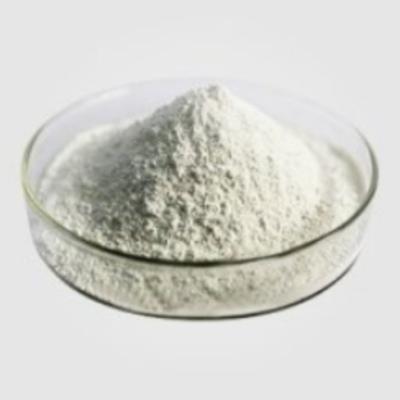
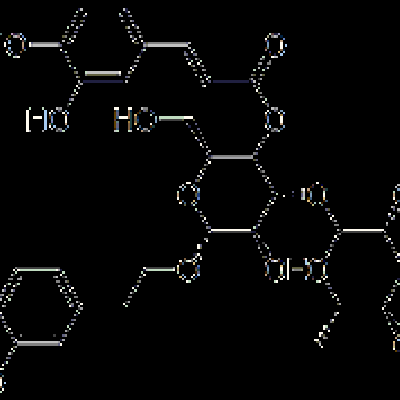
Beloranib (CAS 251111-30-5, code ZGN-440) was developed by Zafgen Inc., a covalent irreversible MetAP2 inhibitor derived from natural fumagillin. It stands as a landmark compound in obesity metabolism and rare genetic disorder R&D over the past decade. Despite discontinued clinical programs, it remains an indispensable standard research API for universities, CRO laboratories and innovative pharmaceutical enterprises studying lipid metabolism, appetite regulation and adipose angiogenesis pathways. With molecular formula C₂₉H₄₁NO₆ and molecular weight 499.64, it appears as white to off-white crystalline solid featuring an epoxy covalent-binding scaffold with excellent long-term stability under low-temperature light-shielded sealed storage. HPLC purity consistently exceeds 98%, with rigorous control over chiral impurities, related substances, heavy metals and residual solvents. Its good solubility in DMSO supports in vitro enzyme activity assays and cellular adipogenic differentiation models, while subcutaneous injection suspension can be directly administered to PWS knockout mice and high-fat diet obese rats for long-term efficacy modeling, fully covering full-range research workflows including target enzymatic verification, high-throughput small-molecule screening, in vivo weight-loss pharmacodynamics and angiogenesis assays.
In terms of core pharmacological mechanism, MetAP2 is a key metalloprotease governing nascent protein maturation, widely expressed in hypothalamus, liver, brown fat and endothelial cells, serving as a central intersection target linking appetite, lipogenesis and vascular proliferation. The intramolecular epoxy group of Beloranib forms a stable covalent bond with the cysteine residue at MetAP2 active center to permanently block enzymatic catalytic function, regulating metabolism across three major dimensions. Firstly, it acts on central hypothalamus to downregulate hunger-promoting gene expression and drastically relieve compulsive hyperphagia characteristic of PWS patients with significant reduction in hyperphagia questionnaire scores in clinical trials. Secondly, it targets liver and white adipose tissue to inhibit maturation of key proteins in fatty acid synthetic pathways, reduce triglyceride deposition and simultaneously amplify adrenaline-stimulated lipolysis and thermogenesis in brown fat to preferentially burn visceral fat. Thirdly, it blocks endothelial MetAP2 to suppress neoangiogenesis in adipose tissue and limit fat mass expansion. Distinct from peripheral GLP-1 weight-loss agents, Beloranib directly intervenes central satiety signaling and possesses unique therapeutic potential for genetic hyperphagic obesity. Phase 2/3 clinical data demonstrated up to 13.5% body weight reduction over 26 weeks, accompanied by prominent declines in HbA1c, cholesterol and systemic inflammatory markers.
Its scientific research applications cover four core verticals. First, mechanistic research on Prader-Willi Syndrome (PWS): as the only tool compound delivering statistically significant improvements in hyperphagia and body weight in Phase 3 trials, it is utilized to dissect hypothalamic satiety defects and screen novel low-thrombosis MetAP2 derivatives. Second, pharmacological experiments on severe common obesity and type 2 diabetes lipid disorders, benchmarking candidate molecules for weight-loss efficacy and insulin resistance amelioration. Third, angiogenesis research in adipose tissue and anti-proliferative vascular models related to oncology and obesity. Fourth, structural and structure-activity relationship research of MetAP2 enzymes and covalent inhibitors, guiding scaffold modification to avoid off-target venous thromboembolism liabilities. Extensive published literature adopts Beloranib as the gold-standard positive control to optimize reversible MetAP2 modulators and eliminate thrombotic side effects inherent to early covalent candidates.
Regarding raw material supply and industrial research value, Beloranib adopts mature total synthetic routes with stable purification procedures for epoxy intermediates to efficiently remove stereoisomeric impurities, offering full specifications from milligram to kilogram scale to match lab-scale screening and preclinical large-scale efficacy studies. It delivers consistent in vitro enzymatic activity and steady subcutaneous absorption in animals, with no obvious liver or kidney cumulative toxicity upon long-term administration; only endothelial-associated thrombotic risk is observed, enabling dedicated safety mechanism exploration. With rising global clinical demand for obesity and rare PWS treatments and booming R&D of MetAP2-targeted anti-obesity novel drugs, research institutions worldwide rely on Beloranib as the benchmark reference compound to evaluate lead molecule potency and safety. Endowed with complete Phase 3 human clinical datasets, unique central appetite-suppressive mechanism and mature standardized experimental protocols, Beloranib maintains irreplaceable rigid market demand in metabolic pharmacology, rare disease drug development and fundamental anti-angiogenesis research, promising stable and broad long-term research-oriented development prospects across the global pharmaceutical research industry.
Contact: Jessie
Phone: 13119157289
Tel: 13119157289
Email: 13119157289@163.com
Add: Room 403,Building 8,West Life Science and Technology Park,Keyuan 4th Road,Xixian New District,Xi'an City,Shaanxi Province
We chat