13119157289@163.com
13119157289
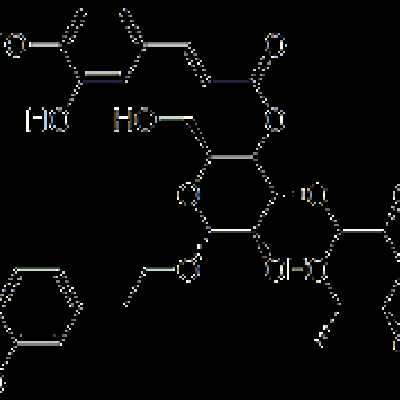
Febuxostat, CAS 144060-53-7, is a benchmark second-generation non-purine selective xanthine oxidase (XO) inhibitor and core research API for gout and hyperuricemia pharmacology. Different from purine-based allopurinol, it adopts a unique 2-arylthiazole skeleton to precisely bind and non-competitively inhibit xanthine oxidase, blocking the conversion of hypoxanthine and xanthine to uric acid for potent and stable urate reduction. With ultra-high target selectivity, it does not disturb normal purine and pyrimidine metabolism at therapeutic concentrations, resulting in minimal off-target side effects. Primarily metabolized by the liver, it shows superior tolerance in patients with renal insufficiency. It also exerts multi-functional activities including oxidative stress suppression, vascular inflammation relief and metabolic regulation, serving as the standard positive control tool compound for gout mechanism exploration, urate-induced organ injury research and metabolic disease drug development.
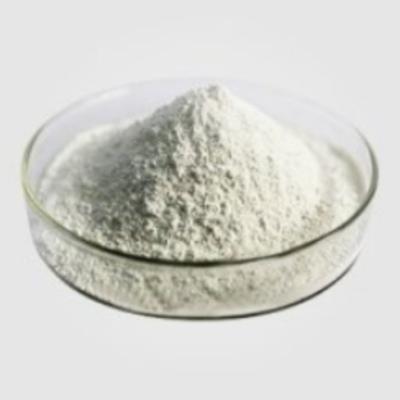
Febuxostat (CAS 144060-53-7) is a novel synthetic small-molecule xanthine oxidase inhibitor with a 2-arylthiazole structure. Featuring an innovative non-purine skeleton, ultra-high target selectivity and liver-friendly metabolic characteristics, it effectively overcomes the defects of traditional allopurinol, such as poor selectivity, severe allergic syndrome and high renal injury risk. It has become a benchmark core raw material for clinical chronic gout management and scientific research on hyperuricemia complications. Appearing as white crystalline powder, it possesses stable physicochemical properties and resistance to degradation under normal temperature and light shielding. Freely soluble in DMSO and ethanol with moderate water solubility, it achieves HPLC purity over 99%. Strict control over related substances, residual solvents and heavy metals complies with pharmaceutical and research-grade standards, fully supporting full-process research including in vitro enzyme activity inhibition assays, hyperuricemic cell models, rat gouty arthritis modeling and urate-induced renal and vascular lesion intervention with excellent batch uniformity and data repeatability.
In terms of core pharmacological mechanism, Febuxostat delivers differentiated and precise inhibitory effects. Xanthine oxidase acts as the rate-limiting enzyme for human uric acid synthesis, catalyzing the oxidation of hypoxanthine and xanthine to uric acid while producing abundant reactive oxygen species that trigger oxidative inflammatory damage. As a purine analog, allopurinol easily interferes with normal purine metabolism and causes systemic adverse reactions. In contrast, Febuxostat specifically binds to the molybdopterin active center of xanthine oxidase via its unique thiazole core, non-competitively locking enzyme conformation and blocking substrate catalysis, thereby inhibiting uric acid production at the source. Its superior target specificity ensures no disturbance to other enzymes involved in purine and pyrimidine metabolism at therapeutic doses, avoiding metabolic disorders. Meanwhile, it significantly reduces XO-mediated ROS generation, relieves oxidative stress, blocks NF-κB inflammatory cascade activation induced by urate crystal deposition, and suppresses macrophage infiltration and pro-inflammatory factor release, integrating uric acid reduction, anti-oxidation and anti-inflammation triple efficacy.
It covers diversified clinical and scientific research applications. Clinically, it is widely used for long-term control of chronic gout and symptomatic hyperuricemia in adults, especially suitable for patients with renal insufficiency and allopurinol intolerance. Predominantly metabolized by the liver, it avoids renal excretion pressure and ensures high safety for long-term chronic disease intervention. Scientifically, it supports multiple core research directions: exploring pathological processes of urate crystal-induced synovitis, synovial hyperplasia and cartilage damage in gouty arthritis; investigating the pathogenesis of hyperuricemia complications including renal fibrosis, vascular endothelial injury, metabolic syndrome and myocardial damage; serving as a standard positive control to evaluate the enzyme inhibitory activity, urate-lowering efficiency and anti-inflammatory capacity of novel lead compounds; and expanding cross-disciplinary research on oxidative stress-related diseases such as nerve oxidative injury and organ ischemia-reperfusion damage.
In terms of raw material supply and industrial research value, Febuxostat is produced via mature total synthetic routes with optimized thiazole ring construction, side chain modification and purification technology, efficiently removing structural analog impurities and synthetic intermediates to ensure stable and consistent biological activity across batches. Available in milligram to kilogram specifications, it fully meets the demands of university basic research, CRO preclinical efficacy evaluation, generic drug production and innovative drug structural optimization. With mild toxic side effects and a wide safety experimental window, it is suitable for long-term animal intervention experiments lasting several months. With the rising global incidence of hyperuricemia and gout, urate-mediated multi-organ damage has become a research hotspot in metabolic pharmacology, while traditional urate-lowering drugs show obvious limitations. As the benchmark of new-generation highly selective XO inhibitors with comprehensive in vitro and in vivo pharmacological data and abundant clinical literature support, Febuxostat maintains irreplaceable rigid research value in metabolic pharmacology, gout drug development and complication mechanism research, promising broad and stable long-term R&D and market prospects.
Contact: Jessie
Phone: 13119157289
Tel: 13119157289
Email: 13119157289@163.com
Add: Room 403,Building 8,West Life Science and Technology Park,Keyuan 4th Road,Xixian New District,Xi'an City,Shaanxi Province
We chat