13119157289@163.com
13119157289

MBX2982 (code name SAR-260093), CAS 1037792-44-1, is a classic orally absorbable selective GPR119 agonist and core positive control tool API for metabolic disease research. It specifically binds GPR119 receptors expressed in intestinal tract and pancreatic tissue, elevates intracellular cAMP concentration and triggers GLP-1 secretion from intestinal L cells independent of glucose load, achieving balanced glycemic regulation via dual modulation of pancreatic function. Meanwhile, it activates hepatic AMPK signaling to inhibit lipogenic transcription factor SREBP-1 and reduce hepatocellular triglyceride deposition, delivering integrated benefits of hypoglycemia, liver protection and insulin resistance alleviation. It exhibits outstanding target selectivity without off-target activation on GPR40 or GPR120, supported by comprehensive in vivo efficacy data. It is universally applied in GPR119 signaling pathway dissection, novel incretin lead compound screening and efficacy evaluation on obese fatty liver animal models, serving as standard reference compound for metabolic pharmacology laboratories worldwide.
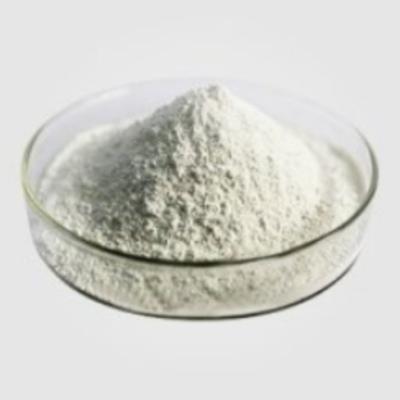
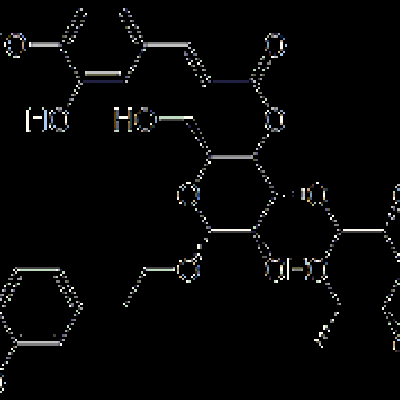
MBX2982, CAS number 1037792-44-1, also named SAR-260093, is a landmark small-molecule agonist targeting the GPR119 pathway. Originally developed for preclinical metabolic disease pipelines, it has become an essential research API adopted by global universities, CRO laboratories and innovative pharmaceutical enterprises for studies on incretin signaling, glucose-lipid metabolism and non-alcoholic fatty liver disease. With molecular formula C₂₂H₂₄N₈OS and molecular weight 448.54, it appears as off-white crystalline solid with outstanding stability under ambient light and temperature, and a three-year shelf life under -20℃ long-term storage. HPLC purity consistently exceeds 98%, with rigorous control over chiral impurities, related substances, heavy metals and residual solvents. It dissolves well in DMSO for cell assay stock preparation, and oral suspension can be directly administered to mice and rats for long-term animal modeling, fully supporting full-range research workflows including in vitro cell binding, primary intestinal cell culture, high-fat diet fatty liver models and high-throughput compound screening.
In terms of core pharmacological mechanism, GPR119 is a G-protein coupled receptor predominantly distributed in small intestinal L cells and pancreatic β-cells, serving as an independent regulatory target for glucose and lipid metabolism distinct from DPP4, SGLT2 and FFAR1. MBX2982 binds GPR119 with high affinity and drastically elevates intracellular cAMP levels to activate two synergistic core pathways. Firstly, it acts on intestinal endocrine cells to stimulate GLP-1 secretion independent of blood glucose concentration; circulating GLP-1 then promotes insulin release and suppresses glucagon in a strictly glucose-dependent manner, greatly lowering fasting and postprandial blood glucose with intrinsically low hypoglycemia risk. Secondly, it targets the hepatic AMPK signaling cascade to accelerate inhibitory phosphorylation of SREBP-1c, block key lipogenic gene expression in liver, restrain de novo synthesis and accumulation of triglycerides and cholesterol, remarkably alleviate high-fat diet induced hepatic steatosis and ameliorate systemic insulin resistance. It features exceptional target specificity with negligible agonistic activity against free fatty acid receptors GPR40 and GPR120, delivering minimal off-target interference and highly repeatable experimental data, making it the gold-standard positive control for screening novel GPR119 derivatives.
Its scientific research applications cover three mainstream metabolic research branches. First, mechanism research and novel drug screening for type 2 diabetes: it is applied to construct GPR119 overexpression cell lines and primary co-culture systems of intestines and pancreatic islets, evaluating EC50, receptor selectivity and GLP-1 secretory capacity of candidate small molecules to guide scaffold optimization of lead compounds. Second, pharmacological research on non-alcoholic fatty liver disease (NASH): oral administration to high-fat fed mice drastically reduces intrahepatic lipid content and downregulates hepatic lipogenic and pro-inflammatory gene expression, used to assess anti-steatosis, anti-inflammatory and anti-fibrotic potential of candidate agents. Third, combinatorial regimen exploration for obese metabolic syndrome: animal studies combining MBX2982 with metformin, SGLT2 inhibitors and ACC inhibitors verify multi-pathway synergistic hypoglycemic and lipid-lowering efficacy, providing experimental evidence for compound metabolic formulation development. Recent publications further expand its research scope to degenerative mitochondrial disorders, as MBX2982 regulates mitochondrial remodeling and activates integrated stress response pathways.
Regarding raw material supply and research value, MBX2982 adopts mature and stable total synthetic routes with refined purification processes to efficiently remove thiazole and pyrimidine structural impurities, delivering uniform biological activity across batches. Supply specifications range from milligram to kilogram scale, fully matching demands from lab-scale screening to preclinical efficacy amplification experiments. It possesses favorable oral bioavailability for convenient animal administration, with no obvious liver or kidney cumulative toxicity under long-term treatment and a wide safe experimental window. With continuously expanding global patient population of metabolic disorders and booming R&D of GPR119-targeted novel drugs, laboratories worldwide carry out structural modification to optimize in-vivo half-life and oral exposure, generating steady rising demand for standard reference tool compounds. Endowed with well-defined dual glucose-lipid regulatory mechanisms, comprehensive in vitro and in vivo activity profiles and ultra-low off-target effects, MBX2982 maintains irreplaceable core research value in pharmacological studies of diabetes and fatty liver as well as innovative metabolic drug development, promising stable and broad long-term research market prospects across the global pharmaceutical research industry.
Contact: Jessie
Phone: 13119157289
Tel: 13119157289
Email: 13119157289@163.com
Add: Room 403,Building 8,West Life Science and Technology Park,Keyuan 4th Road,Xixian New District,Xi'an City,Shaanxi Province
We chat