13119157289@163.com
13119157289
Mirabegron (code name YM178), CAS 223673-61-8, is a pioneering selective β3 adrenoceptor agonist and first-line premium urological API. It specifically targets β3 receptors on bladder detrusor muscle, activates cAMP signaling to relax smooth muscle, enlarge bladder storage volume and suppress involuntary detrusor contraction, alleviating urinary frequency, nocturia and urge incontinence. Unlike M-antagonists such as tolterodine and solifenacin, Mirabegron does not block systemic cholinergic pathways, avoiding common adverse reactions including dry mouth, constipation and blurred vision, offering superior tolerance for elderly patients and those with glaucoma or benign prostatic hyperplasia complicated with OAB. It serves as monotherapy for long-term management of adult overactive bladder and can be combined with anticholinergics for synergistic efficacy, acting as core specialty raw material for sustained-release urological tablets and generic drug development.
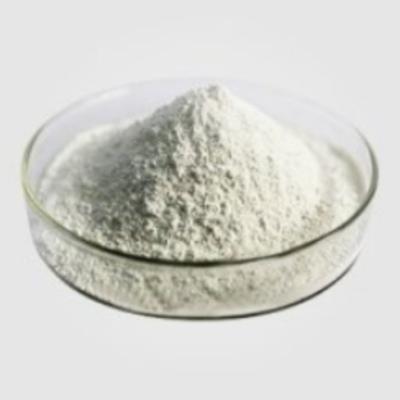
Mirabegron, CAS number 223673-61-8, was originally discovered and developed by Astellas Pharma. It is the world’s first commercially available β3 adrenoceptor agonist API, breaking the long-standing industrial limitation that overactive bladder (OAB) treatment solely relies on anticholinergic agents. With three core strengths including novel therapeutic pathway, minimal side effects and broad applicable population, it has become an essential raw material for chronic urological disease management, widely deployed in mass production of sustained-release tablets, generic drug registration and urological pharmacological research. It appears as off-white to pale yellow crystalline powder, slightly soluble in water and soluble in methanol and DMSO. Strict control over chiral purity, related substances, heavy metals and residual solvents fully complies with USP, EP and Chinese Pharmacopoeia standards. Featuring stable physicochemical properties and good light stability for ambient storage, it supports industrial manufacturing of 25mg and 50mg sustained-release oral tablets with consistent batch quality.
In terms of core pharmacological mechanism, involuntary spontaneous contraction of detrusor muscle during bladder filling serves as the root cause of urinary frequency, urgency and incontinence. Conventional M-receptor antagonists suppress contractions via cholinergic blockade, yet simultaneously act on salivary glands, intestines and ocular tissues to induce systemic intolerable adverse reactions. Mirabegron delivers fully differentiated efficacy: it selectively binds β3 receptors on detrusor cell membranes, stimulates intracellular adenylate cyclase to produce cAMP, reduces intracellular calcium concentration and physiologically relaxes smooth muscle. It greatly enlarges maximum bladder storage capacity, cuts episodes of involuntary detrusor contraction and prolongs voiding intervals. It possesses extremely low affinity for cardiac β1 and bronchial β2 receptors, barely interfering with heart rate and respiratory function under routine therapeutic doses. With a long metabolic half-life of 25–35 hours, once-daily administration achieves all-day stable symptom control and improves patient adherence for sustained-release formulations. Phase 3 clinical trials verified that 4-week continuous treatment significantly reduces 24-hour voiding frequency, urgency attacks and weekly incontinence episodes, with no obvious efficacy attenuation after 12-month long-term follow-up.
Clinically, Mirabegron is exclusively indicated for adult overactive bladder covering four classic symptoms: urinary frequency, urgency, urge incontinence and nocturia, standing as the preferred API for patients intolerant to anticholinergics. It offers safe long-term maintenance therapy for elderly OAB patients, individuals complicated with glaucoma, constipation or cognitive impairment, and male patients with benign prostatic hyperplasia combined with OAB, free of typical anticholinergic side effects. For moderate-severe patients with unsatisfactory response to monotherapy of solifenacin or tolterodine, combined medication generates dual-pathway synergism to further relieve bladder dysfunction and improve quality of life. Patients with mild renal impairment and mild-moderate hepatic dysfunction require minimal dosage adjustment, delivering far wider adaptability than traditional urological APIs with controllable drug-drug interaction risks.
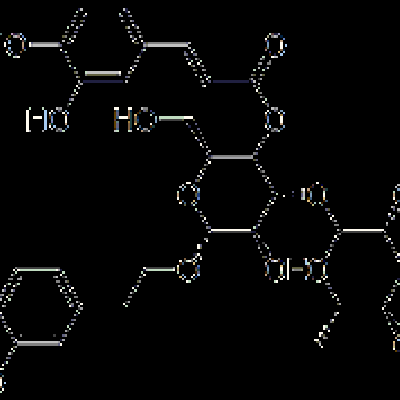
Regarding industrial production and clinical safety, Mirabegron adopts mature total synthetic technology with chiral (R)-hydroxyphenethyl intermediate as key fragment, controllable catalytic hydrogenation and amide condensation purification procedures, enabling moderate mass production costs and stable bulk kilogram supply to meet export demands of global pharmaceutical manufacturers. It exhibits excellent clinical tolerance with only occasional mild blood pressure fluctuation and nasopharyngitis, without severe liver or kidney cumulative toxicity and a wide therapeutic safety window. As a landmark innovative API in the urological pharmaceutical industry over the past decade, Mirabegron addresses the defects of traditional OAB drugs including severe side effects and narrow applicable crowds. With aging population expansion and rising number of patients with bladder dysfunction, Mirabegron maintains irreplaceable market competitiveness in high-end sustained-release urological preparations, primary chronic disease medication and new drug R&D, promising steady and broad long-term development prospects across the global pharmaceutical sector.
Contact: Jessie
Phone: 13119157289
Tel: 13119157289
Email: 13119157289@163.com
Add: Room 403,Building 8,West Life Science and Technology Park,Keyuan 4th Road,Xixian New District,Xi'an City,Shaanxi Province
We chat