13119157289@163.com
13119157289

Loteprednol etabonate, CAS 82034-46-6, is the first commercially available ophthalmic “soft corticosteroid” benchmark API developed via retrometabolic drug design. Highly lipophilic, it easily penetrates corneal and conjunctival epithelium, binding ocular glucocorticoid receptors with high affinity to suppress pro-inflammatory mediators including IL-1β, TNF-α and prostaglandins, rapidly relieving ocular hyperemia, edema, burning pain and inflammatory infiltration. Its unique ester side chain undergoes fast hydrolysis by ocular esterases into inactive carboxylic metabolites after local anti-inflammatory action, leading to negligible systemic exposure and greatly lowering long-term steroid hazards such as intraocular hypertension and posterior subcapsular cataract. Clinically indicated for allergic conjunctivitis, superficial keratitis, iridocyclitis and all kinds of post-ophthalmic surgery inflammation, it also serves as the core positive control tool compound for research on ocular anti-inflammatory structure-activity relationships, steroid ocular toxicity and low-irritation ophthalmic formulation developmentPMC
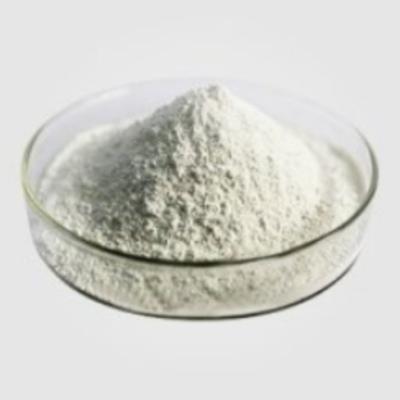
Loteprednol etabonate (CAS 82034-46-6) was originally developed by Bausch + Lomb with retrometabolic drug design, serving as a landmark soft glucocorticosteroid API for ophthalmic anti-inflammation. It achieves an optimal balance of potent local anti-inflammatory efficacy and minimal systemic/ocular toxic side effects, widely adopted in generic ophthalmic formulation manufacturing, ocular surface inflammation mechanistic research and screening of novel low-risk corticosteroid lead compounds, becoming a mandatory standard raw material for pharmaceutical enterprises, CRO laboratories and ophthalmic research institutes worldwide. It appears as white to off-white crystalline powder, slightly soluble in water and freely soluble in methanol, ethanol and DMSO, with stable physicochemical properties and resistance to hydrolytic degradation under pH 4–6 storage. HPLC purity reaches over 98.5%, with chiral impurities, process related substances, heavy metals and residual solvents strictly complying with USP and European pharmacopoeia standards for ophthalmic APIs. Its solubility supports formulation development of suspension eye drops, ophthalmic gels and ointments, as well as full-range research workflows including in vitro GR receptor binding assays, corneal inflammatory cell models and rabbit post-surgical ocular inflammation animal modeling, delivering uniform batch activity and reliable experimental repeatability.
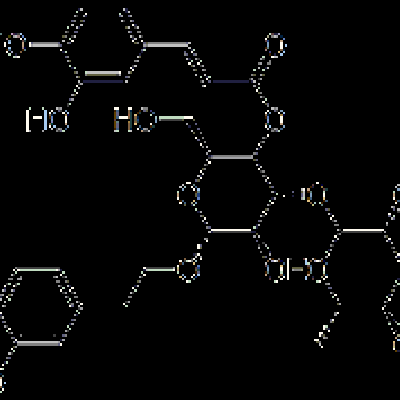
In terms of core pharmacological and metabolic mechanisms, conventional hard steroids such as prednisolone acetate and dexamethasone exhibit slow ocular metabolism, easily accumulating in trabecular meshwork and lens and triggering intraocular hypertension and cataracts after long-term administration. Loteprednol etabonate features differentiated structural modification with a 17α-etabonate side chain, retaining high glucocorticoid receptor binding affinity superior to dexamethasone in vitro. After penetrating ocular tissues, it forms intracellular GR-drug complexes that translocate into cell nuclei to suppress pro-inflammatory transcription factors NF-κB and AP-1, upregulate lipocortin-1 to inhibit phospholipase A2 and block the arachidonic acid cascade. It comprehensively suppresses vasodilation, leukocyte infiltration, fibrin deposition and fibroblast proliferation to rapidly resolve edema and hyperemia from various ocular inflammatory lesions. After exerting local therapeutic effects, the ester linkage on the side chain is rapidly cleaved by ocular esterases to generate inactive carboxylic metabolites incapable of sustained action on trabecular meshwork and lens, with negligible systemic absorption. Clinical data prove the incidence of clinically significant intraocular pressure elevation stands at merely 1%, far lower than the 6% recorded for prednisolone acetate, drastically cutting steroid-related ocular adverse reaction riskspi.bausch.....
Its clinical and scientific research applications cover diversified ophthalmic verticals. For clinical formulations, 0.25% and 0.5% suspension eye drops and ophthalmic gels are approved for seasonal allergic conjunctivitis, rosacea keratitis, herpes zoster keratitis, iridocyclitis and superficial punctate keratitis. It also acts as a first-line anti-inflammatory drug after cataract, LASIK refractive and vitrectomy surgeries to relieve post-operative pain, edema and anterior chamber cell infiltration, and can be compounded with tobramycin into steroid-antibiotic combination preparations for infectious ocular diseases complicated with inflammation. For scientific research, it serves as the standard positive control for soft steroid structure-activity relationship studies, utilized to modify ester moieties for optimized metabolic inactivation rate and balanced anti-inflammatory potency and safety. It is also applied to construct chronic allergic conjunctivitis and uveitis animal models, evaluate anti-inflammatory efficacy and intraocular toxicity of candidate compounds, and compare safety gaps versus traditional hard steroids to support the development of low-irritation long-acting novel ophthalmic anti-inflammatory drugs丁香园用药....
Regarding raw material supply and industrial value, Loteprednol etabonate adopts mature total synthetic routes with refined steroid core esterification purification technology to efficiently remove unesterified intermediate impurities. Complete specifications ranging from milligram to kilogram scale satisfy demands from microscale screening to pilot formulation scale-up. It delivers minimal local ocular irritation without obvious corneal epithelial damage during long-term topical animal administration, providing a wide safe experimental window suitable for multi-week chronic inflammatory intervention studies. With the continuously rising global prevalence of allergic conjunctivitis, dry eye disease and growing volume of ophthalmic surgeries, clinical demand for long-term safe ocular steroids remains robust. Endowed with unique soft metabolic advantages, Loteprednol etabonate stands as a core raw material for high-end generic ophthalmic drugs and innovative anti-inflammatory formulations, maintaining irreplaceable commercial and research value in ophthalmic pharmaceutics, inflammatory pharmacology and corticosteroid toxicology research, promising stable and broad long-term development prospects across the global pharmaceutical industry.
Contact: Jessie
Phone: 13119157289
Tel: 13119157289
Email: 13119157289@163.com
Add: Room 403,Building 8,West Life Science and Technology Park,Keyuan 4th Road,Xixian New District,Xi'an City,Shaanxi Province
We chat