13119157289@163.com
13119157289
Rapamycin (generic name Sirolimus), CAS 53123-88-9, is a natural macrolide benchmark small-molecule mTOR inhibitor and universal core research API covering immunology, oncology and aging research. It forms intracellular complex with FKBP12 protein to selectively bind and inhibit mTORC1 kinase, downregulating downstream S6K and 4E-BP1 cascades with dual metabolic regulatory effects: suppressing T lymphocyte proliferation for powerful immunosuppression, blocking tumor cell growth and triggering protective autophagy simultaneously. Superior to calcineurin inhibitors with severe nephrotoxicity, Rapamycin delivers better renal safety, clinically utilized for allograft rejection prophylaxis and drug-eluting stent coating. In research, it acts as the global standard positive control tool compound for autophagy, aging intervention, targeted oncology and psoriatic inflammation mechanism exploration.
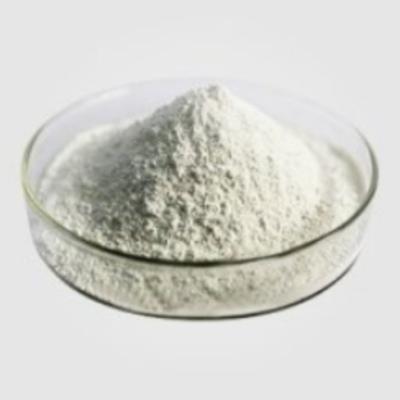
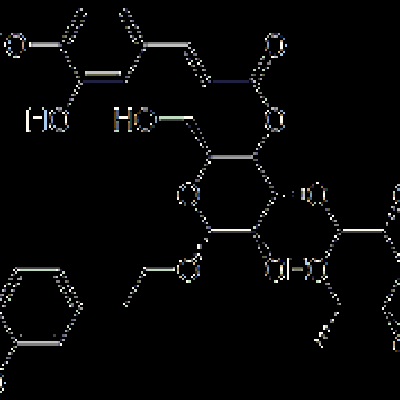
Rapamycin, also named Sirolimus, CAS number 53123-88-9, is a natural macrolide compound originally isolated from fermentation broth of Streptomyces hygroscopicus. It stands as the most widely applied mTOR pathway inhibitor in pharmaceutical R&D, covering five major sectors including clinical allograft transplantation formulations, targeted anti-tumor agents, fundamental aging research, neurodegenerative disorders and cutaneous inflammation, serving as a mandatory standardized research API for universities, CRO laboratories and biopharmaceutical enterprises worldwide. It appears as white crystalline powder with excellent lipophilicity, soluble in ethanol, methanol and DMSO while barely soluble in water. Featuring a distinctive triene macrolide scaffold, it maintains superior stability under light-shielded low-temperature storage, with HPLC purity exceeding 99%. Strict control over related substances, fermentation residual impurities, heavy metals and microbial limits complies with pharmacopoeia and research reagent standards, fully supporting full-range experimental workflows including in vitro cellular autophagy assays, immune cell proliferation detection, tumor xenograft animal modeling and aging organism intervention, delivering uniform batch activity and outstanding experimental repeatability.
In terms of core pharmacological mechanism, mTORC1 acts as the central master kinase sensing cellular nutrition, energy and growth factors. Sustained hyperactivation of mTORC1 triggers four major pathological conditions: excessive immune activation, unrestrained tumor proliferation, accelerated cellular senescence and abnormal protein aggregation. After cellular uptake, Rapamycin rapidly binds immunophilin FKBP12 to form FKBP12-Rapamycin binary complex, which precisely targets the kinase domain of mTORC1 and competitively blocks substrate binding pocket, potently inhibiting phosphorylation of downstream ribosomal S6 kinase and translational repressor 4E-BP1. Blockade of this cascade induces multiple biological effects: firstly, it suppresses IL-2 driven T cell proliferation and differentiation to alleviate post-transplant allogeneic immune rejection; secondly, it inhibits tumor protein synthesis and arrests cell cycle at G1 phase to slow progression of solid and hematological malignancies; thirdly, it lifts autophagy suppression to activate lysosomal degradation of damaged organelles and misfolded proteins for senescence delay; fourthly, it reduces excessive keratinocyte proliferation and pro-inflammatory cytokine release to ameliorate psoriatic hyperplastic lesions. It barely inhibits mTORC2, leading to far fewer off-target adverse reactions such as metabolic disorder and hyperglycemia compared with dual mTOR inhibitors, offering a broader therapeutic safety window.
It boasts diversified clinical and research applications. Clinically, oral Rapamycin tablets are applied for long-term anti-rejection therapy after renal, hepatic and other solid organ transplantation to lower incidence of acute rejection. Drug-eluting coronary stents utilize Rapamycin as core coating agent to restrain vascular smooth muscle hyperplasia and reduce in-stent restenosis. Its research value is more prominent across disciplines: as the gold-standard positive control for autophagy pathways, it supports mechanistic studies on protein deposition disorders such as Alzheimer’s and Parkinson’s disease. Numerous nematode and mouse aging models verify its healthspan-extending capacity, making it the universal reference for anti-aging lead compound screening. In oncology, it is adopted for efficacy evaluation of mTOR-hyperactivated tumors including liver cancer, breast cancer and lymphoma, and also deployed to explore mechanisms of autoimmune dermatosis and renal fibrosis with unmatched cross-disciplinary advantages.
Regarding raw material production and industrial value, Rapamycin is mass-produced via integrated microbial fermentation and chemical refining technology with mature fermentation protocols. Refinement procedures efficiently remove homologous macrolide byproducts, with complete specifications from milligram to kilogram scale to meet demands of microscale screening and long-term animal administration. It demonstrates favorable systemic administration tolerance with mild adverse reactions mainly consisting of slight lipid fluctuation and oral ulcer, without irreversible liver or kidney injury risks, suitable for prolonged in vivo intervention experiments. Currently, R&D booms targeting autophagy, anti-aging and mTOR-targeted anti-tumor drugs generate steady year-round demand for Rapamycin as the benchmark pathway tool compound. Endowed with fully clarified signaling cascades, massive published literature data and mature standardized experimental systems, Rapamycin maintains irreplaceable rigid market demand in immunopharmacology, targeted oncology, aging biology and regenerative medicine research, promising stable and broad long-term development prospects across the global pharmaceutical research industry.
Contact: Jessie
Phone: 13119157289
Tel: 13119157289
Email: 13119157289@163.com
Add: Room 403,Building 8,West Life Science and Technology Park,Keyuan 4th Road,Xixian New District,Xi'an City,Shaanxi Province
We chat