13119157289@163.com
13119157289
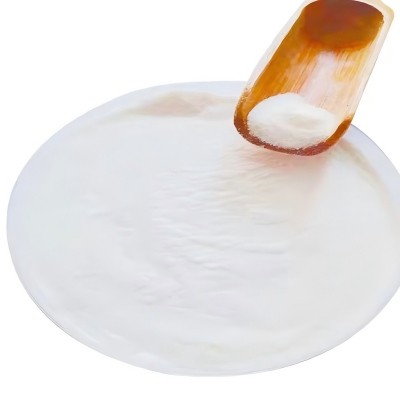
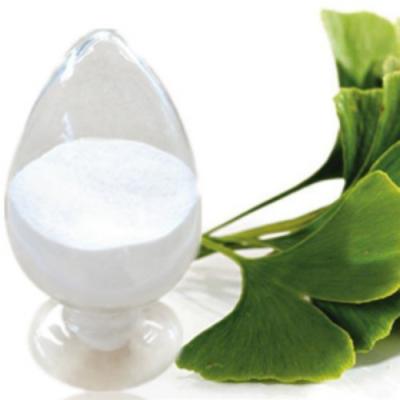
Vitamin C (CAS: 50-81-7), also known as Ascorbic Acid, has the chemical formula C₆H₈O₆ and a molecular weight of 176.12. It is an essential water-soluble vitamin for the human body and a widely existing polyhydroxy organic compound in nature, named for its anti-scorbutic effect. It appears as a white or slightly yellow crystalline powder, odorless with a sour taste, easily soluble in water, slightly soluble in ethanol, and insoluble in non-polar solvents such as chloroform, ether and benzene. Its melting point is 190~192℃, and it is relatively stable in dry air, but its aqueous solution is easily oxidized, and decomposition is accelerated when exposed to light, heat and metal ions such as copper and iron, so it needs to be stored in a sealed, light-proof and moisture-proof environment. The human body cannot synthesize Vitamin C by itself and must obtain it through diet or supplements. Its core functions include promoting collagen synthesis, scavenging free radicals in the body, enhancing immunity, promoting iron absorption, as well as assisting detoxification and regulating cholesterol metabolism. It is widely used in food, medicine, health products, cosmetics and other fields. It is not only a food nutrition fortifier and antioxidant, but also a pharmaceutical excipient and functional raw material for skin care products. Its safety has been verified by multiple tests, complying with domestic and foreign industry standards, and it is suitable for daily supplementation of all groups of people and processing of various products.
Vitamin C (CAS: 50-81-7), also known as Ascorbic Acid, has the chemical formula C₆H₈O₆ and a molecular weight of 176.12. It is an essential water-soluble vitamin for the human body and one of the most widely distributed polyhydroxy organic compounds in nature. Named for its ability to prevent and treat scurvy when first discovered, it plays an important role in human physiological metabolism, nutritional supplementation and industrial applications. It appears as a white or slightly yellow crystalline powder, odorless with a distinct sour taste, easily soluble in water, slightly soluble in ethanol, and insoluble in non-polar solvents such as chloroform, ether and benzene. Its melting point is 190~192℃, and it is relatively stable in a dry and light-proof environment, but its aqueous solution is easily oxidized. Decomposition is accelerated when exposed to light, high temperature, alkaline environment and metal ions such as copper and iron. Therefore, it must be stored in a sealed, light-proof, moisture-proof and low-temperature environment to avoid failure.
As a nutrient that the human body cannot synthesize on its own and must be obtained through diet or exogenous supplementation, the core physiological functions of Vitamin C run through multiple links of human metabolism and are crucial to maintaining human health. Firstly, it is a powerful natural antioxidant that can effectively scavenge excess free radicals in the body, reduce the damage of free radicals to cells, delay cell aging, and at the same time protect other antioxidants such as Vitamin E and Vitamin A from oxidation, enhance the overall antioxidant capacity of the body, and help improve dull and rough skin, with a certain whitening and skin care effect. Secondly, Vitamin C can promote the synthesis of collagen, which is an important component of skin, bones, cartilage, tendons and blood vessel walls. Sufficient Vitamin C can maintain skin elasticity, enhance bone toughness, promote wound healing, and prevent problems such as gingival bleeding and joint pain.
In addition, Vitamin C can promote the absorption of iron by the human body, especially converting difficult-to-absorb ferric iron into easily absorbable ferrous iron, effectively improving iron deficiency anemia. It is suitable for iron-deficient people, pregnant women, lactating women and adolescents. At the same time, it can enhance the body's immunity, stimulate the activity of immune cells, improve the body's resistance to viruses and bacteria, and reduce the occurrence of diseases such as colds. In addition, Vitamin C also has the functions of assisting detoxification, regulating cholesterol metabolism and protecting cardiovascular health, which is of irreplaceable significance for maintaining the normal physiological functions of the human body.
In terms of production process, there are two main methods for preparing Vitamin C: natural extraction and chemical synthesis. Among them, chemical synthesis has become the mainstream method of industrial production due to its high production efficiency, controllable cost and stable purity. The chemical synthesis method uses glucose as the raw material, and is made through a series of precision processes such as fermentation, oxidation, purification, crystallization and drying. The production process meets the standards of green chemical industry, with no toxic or harmful substances produced. According to application needs, products of different specifications such as food grade, pharmaceutical grade and cosmetic grade can be produced, with a purity of more than 99%, which fully meets the usage standards of various industries. The natural extraction method mainly extracts from fresh fruits and vegetables (such as oranges, kiwifruits, green peppers, etc.), and the product is more natural, suitable for high-end food and health product fields.
Vitamin C has a wide range of application scenarios, covering food, medicine, health products, cosmetics and other fields, and is one of the most widely used functional raw materials currently. In the food industry, it is often used as a nutrition fortifier, added to beverages, dairy products, pastries, meat products, fruit and vegetable products and other products to supplement the Vitamin C content in food and improve the nutritional value of products; it can also be used as an antioxidant to delay food oxidation and spoilage, extend product shelf life, and improve the color and taste of food. In the pharmaceutical field, Vitamin C can be used as a pharmaceutical raw material or excipient to prepare preparations such as Vitamin C tablets, injections and chewable tablets, which are used to prevent and treat Vitamin C deficiency. It can also assist in the treatment of iron deficiency anemia, colds and other diseases, and can be added as an antioxidant to other drugs to improve drug stability.
In the health product field, Vitamin C is one of the most common raw materials for dietary supplements. It can be made into tablets, capsules, effervescent tablets and other products alone, or combined with other nutrients such as Vitamin E, zinc and iron to make compound nutritional supplements, meeting the supplementary needs of different groups of people. It is especially suitable for people with low immunity, iron deficiency, poor skin condition, and those who stay up late for a long time and are under great pressure. In the cosmetic field, due to its antioxidant, whitening and anti-inflammatory effects, Vitamin C is widely used in skin care products such as toners, essences and face creams. It can inhibit melanin production, fade spots, improve dull skin, and at the same time nourish the skin and enhance the skin barrier function, which is deeply favored by consumers.
In terms of product safety, Vitamin C has been verified through long-term toxicological experiments and practical applications. It is non-toxic and non-irritating, and will not cause harm to the human body when used in normal doses, complying with the industry standards of many countries and regions such as China, the United States and the European Union. However, it should be noted that excessive intake may cause gastrointestinal discomfort such as diarrhea and nausea, so it is necessary to follow the recommended dosage. Its wide application scenarios, stable product quality and clear physiological effects make it an indispensable important raw material in industrial production and daily life, with a steady market demand and broad application prospects.
Contact: Jessie
Phone: 13119157289
Tel: 13119157289
Email: 13119157289@163.com
Add: Room 403,Building 8,West Life Science and Technology Park,Keyuan 4th Road,Xixian New District,Xi'an City,Shaanxi Province
We chat